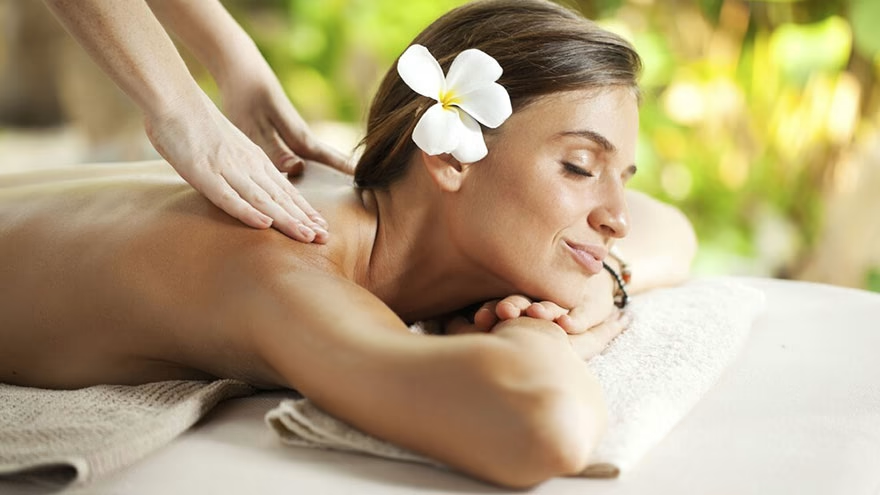
A single 60-minute relaxation massage can reduce salivary cortisol — the body's primary stress hormone — by up to 30%, while simultaneously triggering a measurable rise in oxytocin, the compound associated with trust and calm. That is not a minor effect. It is a measurable physiological shift, and it happens whether the person giving the massage is a licensed therapist or a partner working from the bedroom floor. What matters is knowing the right techniques, in the right sequence, applied with appropriate pressure. This guide covers everything you need to give a relaxation massage that actually works.
What do you need to give a relaxation massage at home?
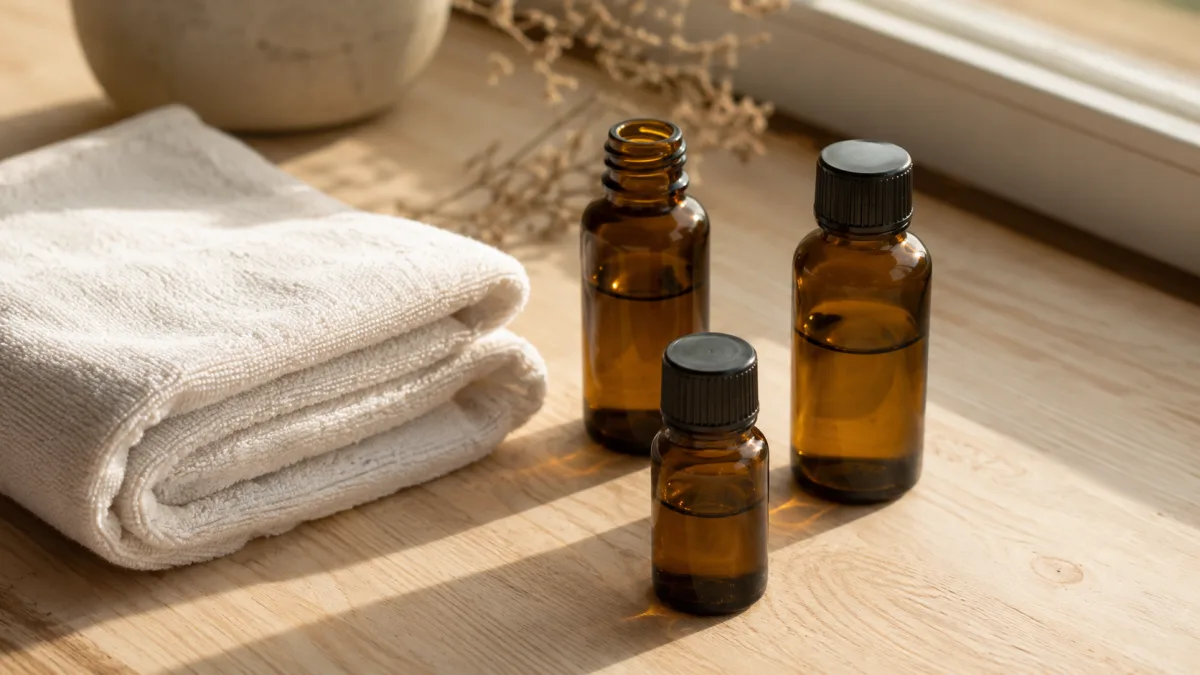
You do not need a professional table or a cabinet full of specialized tools. What you do need is a carrier oil or lotion with enough glide to let your hands move smoothly without dragging on the skin, and a surface stable enough to support the person lying down without flexing underfoot.
For oil, three options cover almost every situation. Sweet almond oil is the most widely used choice among massage therapists — it contains linoleic acid, vitamins, and proteins that soften the skin, and its medium viscosity provides excellent glide without soaking in too quickly. Fractionated coconut oil (not the solid jar variety) stays liquid at room temperature, absorbs slowly, and is completely odorless, making it ideal if the person receiving the massage has scent sensitivities. Jojoba oil most closely mimics the skin's own sebum, making it the best pick for sensitive or acne-prone skin. Anyone with tree-nut allergies should skip sweet almond and reach for jojoba or grapeseed instead. Use roughly a teaspoon of oil per area — enough to cover without pooling.
- Carrier oil or unscented massage lotion
- A firm, flat surface (a bed works; a yoga mat on the floor is even more stable)
- Two towels or a clean sheet for draping
- A small pillow or rolled towel for under the ankles
- Warm hands — run them under warm water before you begin
If you want to add a head massage at the end of the session, keep a small separate amount of oil ready — or skip oil entirely for the scalp to avoid greasiness.
How do you set up the right environment for a relaxation massage?
The nervous system begins responding to environmental cues before your hands make contact. A loud room, bright overhead lights, or a cold draft keeps the sympathetic nervous system — the fight-or-flight branch — partially activated, which works directly against what you are trying to achieve. The goal is to nudge the body toward parasympathetic dominance, sometimes called "rest and digest," before the first stroke lands.
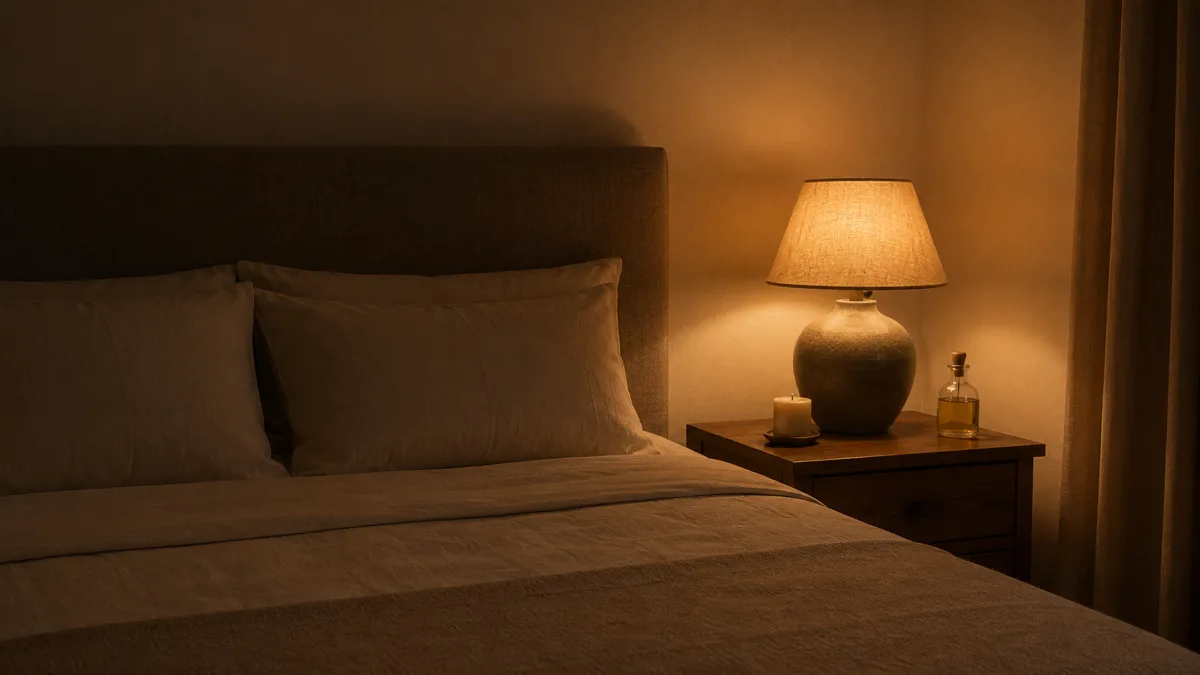
Dim the lights or switch to a lamp. Room temperature should be warm enough that the person lying still does not feel a chill — 72–75°F (22–24°C) is a reasonable target. If you use a scented candle or diffuser, choose lavender, chamomile, or sandalwood; these have the most research backing for reducing anxiety. Soft instrumental music at around 60–70 beats per minute — slower than a resting heartbeat — has been shown to further reduce heart rate during massage. Put phones on silent. Give the room five minutes to settle before you start.
Have your partner lie face down with their arms resting at their sides or bent so their hands frame their head. Place a rolled towel under their ankles to take pressure off the tops of their feet. Drape a sheet or large towel over everything below the waist. Warm the oil between your palms before it touches their skin — cold oil on a bare back causes an involuntary flinch, and flinching is the opposite of relaxation.
What is the correct technique for massaging the back?
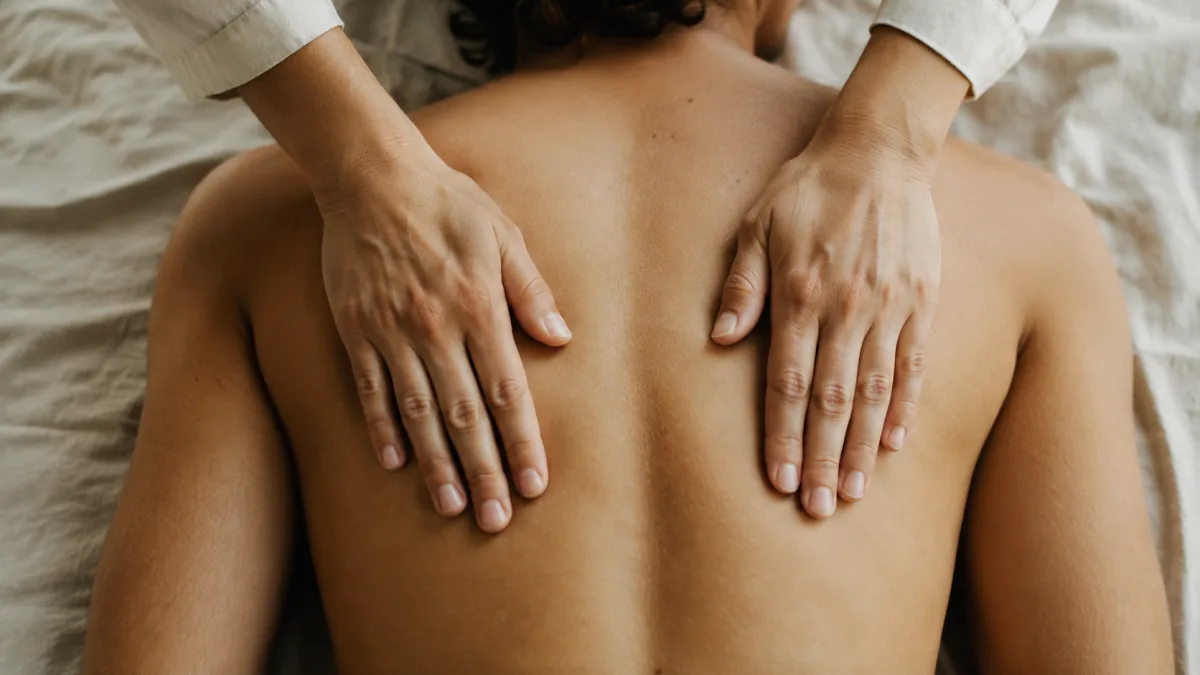
The back is the single most rewarding area to work on during a relaxation massage, and the technique most suited to it is effleurage — long, gliding strokes performed with the flat of both palms. Effleurage is the foundational stroke of Swedish-style massage for a specific physiological reason: slow, continuous pressure across the skin stimulates cutaneous mechanoreceptors (touch receptors in the skin), which send signals along the vagus nerve and trigger a cascade of parasympathetic activity. Heart rate drops. Breathing slows. Muscle tone decreases — literally, not just perceptually.
Start at the lower back with both hands placed flat on either side of the spine, fingertips pointing toward the head. Press down with roughly 5–8 pounds of pressure — about the weight of a medium bag of flour — and glide slowly upward along the length of the back toward the base of the neck. The movement should take about four seconds. At the top, fan your hands out over the shoulders and draw them back down the sides of the torso with lighter contact. Repeat this four to six times before moving to anything else. This sequence warms the superficial muscle tissue and starts dilating capillaries, which increases blood flow to the area and prepares the deeper muscles for any work to follow.
After several rounds of effleurage, introduce petrissage on the muscles that flank the spine — the erector spinae group. Petrissage means kneading: lifting, squeezing, and rolling the muscle between your fingers and thumb, much like working bread dough. This stroke promotes lymphatic drainage and breaks up adhesions in the connective tissue. Work both sides simultaneously using slow, rhythmic squeezes. Spend about two minutes per side. Return to effleurage strokes between transitions — this is the reset stroke that keeps the session feeling continuous rather than choppy.
How do you work out knots in the shoulders?
Shoulder knots — correctly called myofascial trigger points — form when muscle fibers contract and get stuck in that contracted state. The trapezius muscle, which runs from the base of the skull down to the middle of the back and out toward each shoulder blade, is the most common site. You can usually feel these as small, hard nodules under the skin, roughly the size of a pencil eraser, that produce a localized ache when pressed.
Have the person sit upright in a chair, and stand behind them. Begin with a minute of effleurage across the entire shoulder and neck area to warm the tissue. Then place both thumbs at the base of the neck where it meets the trapezius muscle, and use slow circular friction — small circles about the diameter of a coin, pressing gradually deeper rather than jumping to full pressure immediately. When you locate a hard spot, hold gentle sustained pressure on it for 20–30 seconds. The muscle often releases during this sustained contact, a process sometimes described as the "melt" by practitioners. Do not grind or scrub; that aggravates the trigger point rather than releasing it.
Work the bottoms of the shoulder blades next. Use your thumbs to trace along the inferior border of each scapula (the lower ridge of the shoulder blade) with small circular strokes. This area holds tension that most people do not even know is there until pressure is applied. If you are learning to give massages more broadly, pairing this technique with the skills covered in this partner massage guide gives you a more complete picture of working on someone you know well.
How much pressure should you apply during a relaxation massage?
Too much pressure is the most common mistake beginners make, and it actively undermines the goal of relaxation. When the body detects pain — including the dull, achy pain of excessive massage pressure — the central nervous system interprets it as a threat and contracts surrounding muscles as a protective response. You end up achieving the exact opposite of what you intended: increased muscle tension, not decreased.
For a relaxation massage, keep pressure in the light-to-medium range throughout. A useful calibration: on a flat surface, press down until you see your fingernail bed go pale — that is approximately 4–6 pounds of pressure. That is the ceiling for most of the back. Go slightly lighter (2–3 pounds) over the upper chest if you work there, and slightly firmer (6–8 pounds) on the thick muscle belly of the trapezius when working out knots. The person receiving the massage should feel a sensation they might describe as "good pressure" — noticeable, slightly warm, but with no sharp edge of pain.
Watch their body for involuntary cues. Held breath, tensed shoulders, or toes curling upward all signal that you have gone past their threshold. Ask out loud once early in the session — "Is this too much, or do you want more?" — and adjust. After that single check-in, silence is actually part of the gift; constant verbal interruptions break the parasympathetic state you are working to build.
What areas should you avoid when giving a massage?
Certain anatomical sites carry meaningful risk when pressed or manipulated, even with good intentions. Knowing these areas separates a useful amateur massage from one that causes injury.
The spine itself: Never apply direct downward pressure onto the vertebrae. The erector muscles running alongside the spine are the appropriate target, not the bone. Direct pressure on the spinous processes (the bony protrusions you can feel along the center of the back) can cause bruising or, in someone with osteoporosis, more serious injury.
The back of the knee (popliteal fossa): This area contains the popliteal artery and a dense cluster of lymph nodes and nerves. Pressure here can be deeply uncomfortable and, in rare cases, can irritate the vascular structures beneath. Work the muscles of the calf and hamstring separately, but skip the crease of the knee itself.
Varicose veins: These are veins with weakened or damaged walls. Massaging directly over them risks rupturing the vessel or, more seriously, dislodging a thrombus (blood clot). If you can see twisted, rope-like veins on the legs, treat the entire surrounding area as off-limits for pressure work.
Areas with broken skin, bruising, or active inflammation: Massage increases local blood flow. Over an injury that is still in the acute phase — still swollen, red, or hot — this increased circulation adds to the inflammatory response rather than clearing it.
How long should a relaxation massage last?
The body needs approximately 10–15 minutes just to shift from sympathetic (stressed) to parasympathetic (relaxed) dominance in response to massage. That transition time is non-negotiable — it is how the nervous system works, regardless of how skilled the hands are. This means any session shorter than 20 minutes barely gets the person to the threshold of true relaxation before it ends.
For a home back massage between partners, 30 minutes is a practical minimum that allows time for effleurage warm-up, petrissage work on the back muscles, shoulder attention, and a proper close. Sixty minutes is the sweet spot if you want to cover the back, shoulders, neck, and arms — enough time to create real physiological change rather than a superficial warmth. Sessions beyond 90 minutes for an inexperienced giver often result in inconsistent pressure as the giver's hands and forearms fatigue, which can make the experience less effective in the final third.
Closing the massage properly matters more than most beginners realize. After your last petrissage strokes, return to several rounds of slow effleurage across the full back. Then finish with feathering strokes — also called nerve strokes or cat strokes — using only your fingertips dragged very lightly from the neck to the tailbone with almost no pressure. These strokes do not affect muscle tissue; their function is neurological. Light, slow stimulation of the skin's surface activates C-tactile afferent nerve fibers, which send a direct calming signal to the brain. They tell the nervous system that the session is ending. Without this close, the transition from deep pressure to "session over" can feel abrupt and jolt the person partially out of their relaxed state. These strokes should last two to three minutes, slower than feels natural at first.
This approach is consistent with what the American Massage Therapy Association describes when discussing massage as a component of integrative wellness — the physiological benefits come from a complete session, not just isolated techniques. For more ideas on building meaningful physical connection with a partner, the ideas in this piece on reconnecting after time apart pair naturally with what a good massage session offers.
Frequently Asked Questions
Can I use regular body lotion instead of massage oil?
Yes, with caveats. Body lotion absorbs into the skin faster than carrier oils, so you will need to reapply more frequently during the session. Unscented lotions with minimal alcohol content work best. Avoid anything with menthol or camphor (like some muscle rubs) unless the person specifically wants that cooling sensation — these compounds can be overstimulating during a relaxation massage.
Should the room be completely silent?
Not necessarily. Soft music around 60 beats per minute — slower than a resting heart rate — has been shown to support the parasympathetic shift you are aiming for. The key word is soft: background volume that allows easy conversation if needed, but quiet enough that no one is straining to hear or follow lyrics. Complete silence can actually feel awkward for some people, which is counterproductive.
How do I know if I'm using too much pressure?
Watch for held breath, involuntary flinching, or toe curling. If you see any of these, ease up immediately. The right amount of pressure produces a sensation the receiver can hold without bracing against it. Ask once at the beginning — "Is this pressure working for you?" — and rely on body language for the rest of the session.
Is it safe to massage someone with back pain?
Light effleurage on the muscles alongside the spine is generally safe for typical lower-back tension. However, if the person has a diagnosed disc injury, scoliosis, or unexplained back pain (particularly pain that radiates down one leg), they should check with a physician before receiving any home massage. Nerve impingement conditions can be worsened by pressure in the wrong location.
What is the difference between a relaxation massage and a deep tissue massage?
Primarily, speed and pressure. A relaxation massage uses slow, gliding strokes (effleurage) at light-to-medium pressure — 3–8 pounds — with the goal of activating the parasympathetic nervous system. Deep tissue massage uses sustained, heavy pressure — often 10+ pounds — applied slowly into specific muscle layers to break up chronic adhesions. Deep tissue is therapeutic and targeted; relaxation massage is systemic and calming. The two are not interchangeable, and applying deep-tissue pressure during what is supposed to be a relaxation session will produce tension, not relief.
Can I give a relaxation massage if I have no training?
For a basic back and shoulder massage between partners, yes. The techniques described here — effleurage, gentle petrissage, sustained pressure on trigger points, and feathering strokes to close — are low-risk when applied with appropriate pressure and the body-language awareness described above. What untrained hands should not attempt: anything involving the neck vertebrae, aggressive deep-tissue work on the lumbar spine, or joint mobilization of any kind.
How often can someone receive a relaxation massage?
There is no firm upper limit for relaxation-level work with appropriate pressure. Many people benefit from weekly sessions during high-stress periods. As noted by practitioners who specialize in Swedish technique, the cumulative effect of regular massage on cortisol levels is more significant than any single session. For partners who enjoy giving and receiving at home, once or twice a week is entirely reasonable. Pay attention to any lingering soreness — mild muscle tenderness for 12–24 hours is normal; soreness lasting beyond that suggests too much pressure was used.
Olivia Prete
Edits culture and personal-development articles, distinguishing opinion and experience from verifiable claims.
Leave a reply
Replying to